

A wet ring under an LED ice bucket can send bar staff looking for a crack. Yet a chilled outer wall can collect water from the room itself. Before recording a product leak, establish where the water first appears. A puddle underneath doesn’t identify its source.
Water can arrive from the air
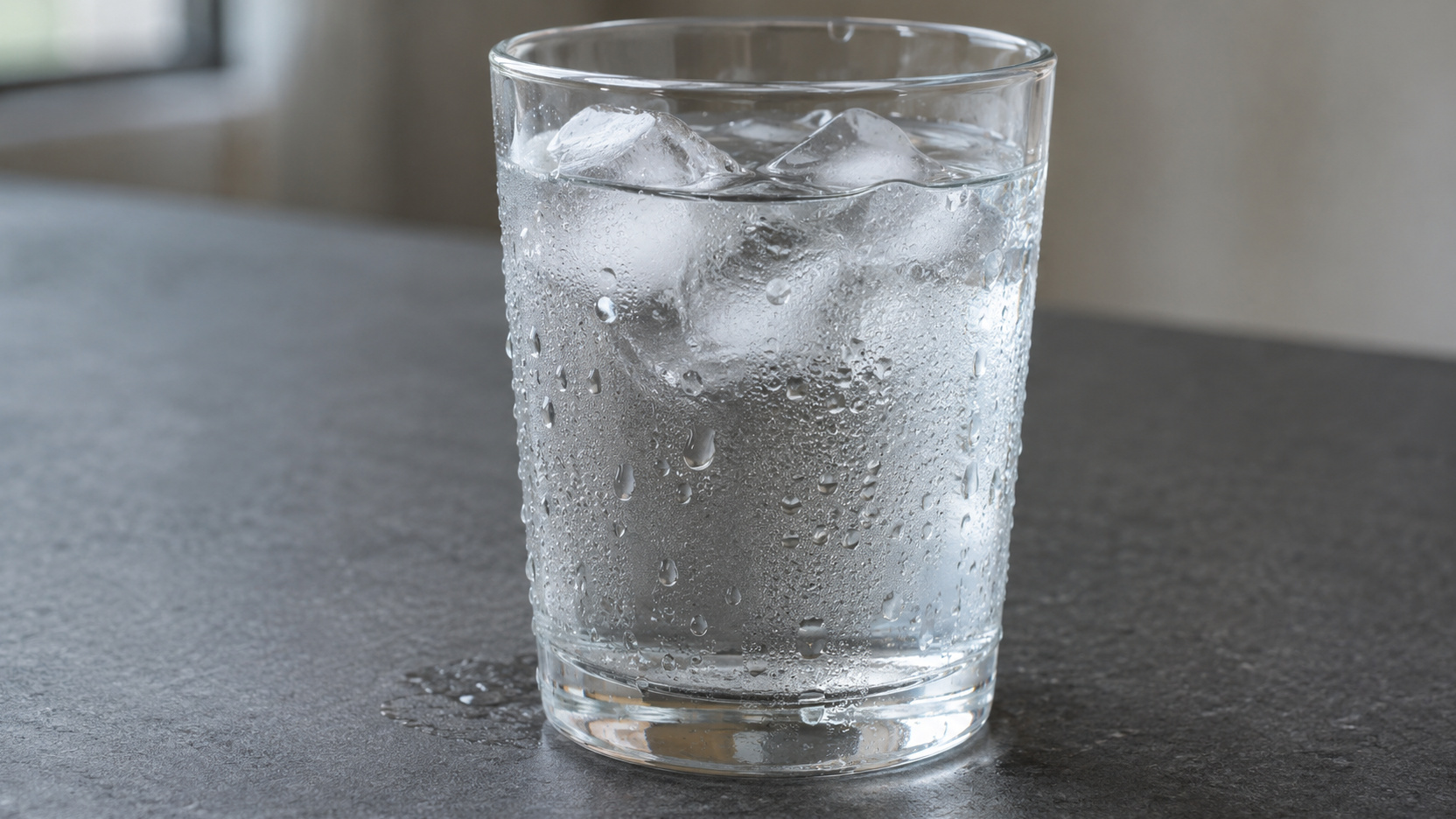
Air contains water vapor. When that vapor meets a sufficiently cold surface, some of it condenses into liquid droplets. The American Chemical Society demonstrates this with two plastic cups containing ice and water: the cup exposed to room air develops more exterior moisture than the one enclosed in a bag.
The water outside the exposed cup comes from the surrounding air. It doesn’t have to pass through the cup wall. An ice bucket can show the same physical process if its outer surface becomes cold enough. The relevant temperature is the outside wall’s temperature; having ice inside doesn’t establish that value.
The room changes the result
The dew point is the temperature at which air becomes saturated with water vapor as it cools. Condensation can form when a surface cools the adjacent air to that point. Vaisala explains the same effect using droplets on a cold water pipe.
This is why a sample review should include the room conditions. NOAA’s cold-glass demonstration notes that the amount of exterior moisture depends on humidity. A bucket that stays dry in one setting may collect droplets in another. Comparing two samples in different rooms, or before they have cooled for a similar time, gives you a weak basis for judging a defect.
For Longstar’s LED ice buckets, include an observation of exterior moisture in the sample review alongside the lighting and customized appearance. Judge the actual sample in the intended setting. A light pattern or a clean product photograph tells you little about how cold its outer wall will become.
Follow the water before naming the fault
Start with a dry exterior and a dry surface underneath, then observe the bucket without moving it. Fresh droplets appearing across a chilled wall are consistent with condensation. Water can run down that wall and gather beneath the base, so the final wet spot may be some distance from where the droplets formed.
A recurring wet point near a joint deserves closer inspection, but runoff from above can reach that point too. Also account for water spilled while adding ice or handling bottles. These observations help narrow the explanation; they aren’t a leak test. Condensation and a damaged container can occur together.
If you report the issue, photograph where fresh water first appears and note whether the bucket was chilled. Keep those observations separate from a photograph of the puddle after service. Any formal leak check should follow the instructions for the actual model, including its lighting components.
Exterior condensation still needs managing during service. Use a suitable water-resistant support surface and remove runoff as it collects. That deals with the wet table; it doesn’t establish whether the bucket itself is watertight.
References
American Chemical Society, Condensation Station
NOAA, Learning Lesson: Sweatin’ to the Coldies
Vaisala, Dew point temperature: What does it mean and how can it be calculated?
Post time: Nov-09-2026


