

Two LED wristbands can look the same in a sample photo. One has a battery cover that opens as shown in the instructions; the other needs its housing pried apart. If you’re buying for events in the EU in 2027, ask for a sample of the exact version you’ll order. A photo of a glowing wristband won’t tell you what happens after the battery runs down.
Which date matters for a 2027 order?
Article 11 of the EU Batteries Regulation applies from 18 February 2027. The date concerns when a product is first made available on the EU market, which is not necessarily the date of the show. If you’re comparing stock already on the EU market with a new import, ask the supplier or importer to confirm when the units in your order are first placed on that market.
For products covered by the general rule, the end user must be able to remove and replace the portable battery throughout the product’s life. That doesn’t automatically mean a tool-free cover. An ordinary, commercially available tool can be acceptable. A compatible replacement also has to leave the wristband working as intended without impairing performance or safety. Ask for the battery instructions and safety information that come with the product and the public web page where users can find them later.
When a sealed wearable is different
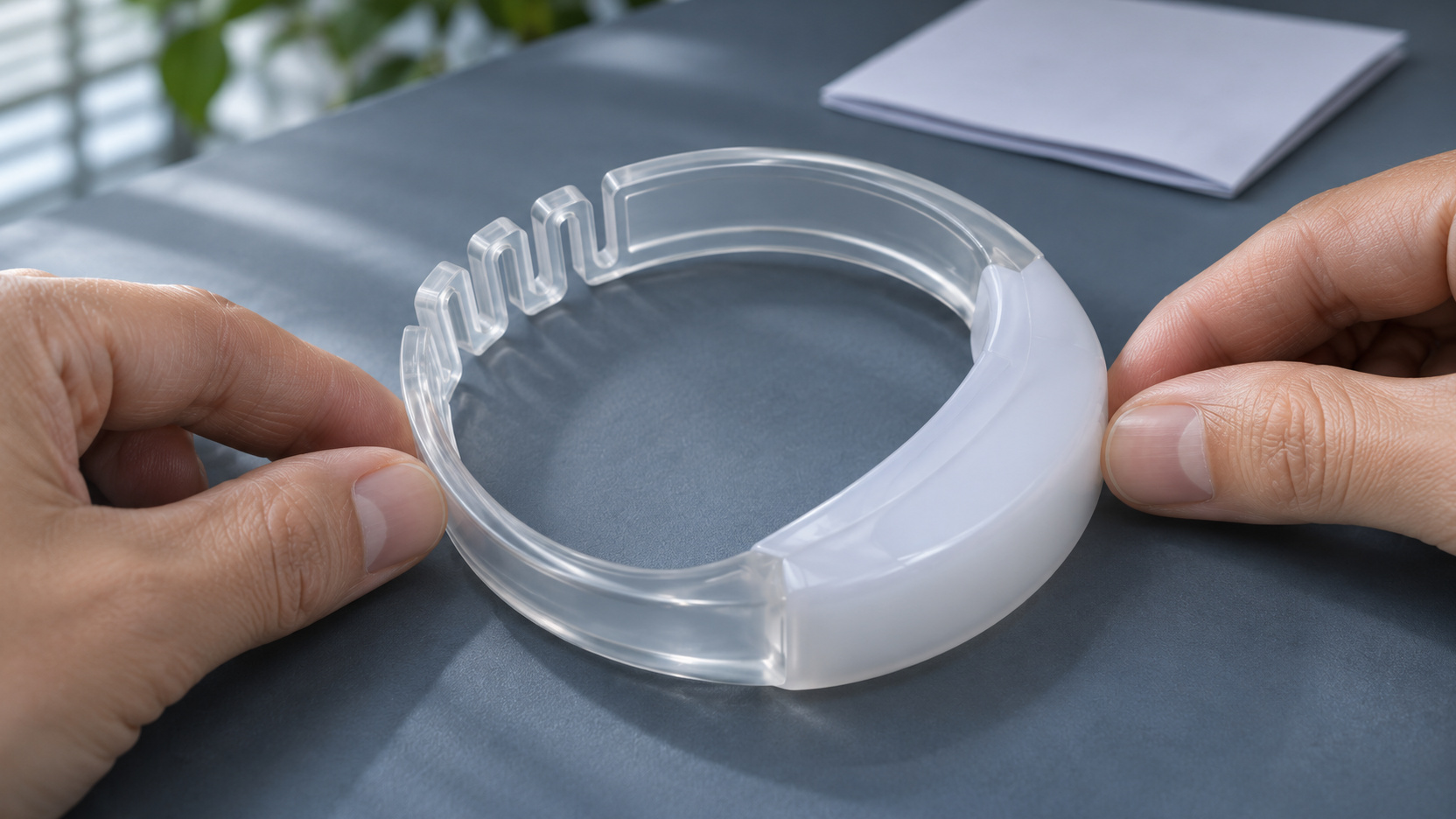
A delegated regulation published in October 2026 allows certain wearable designs to use replacement by an independent professional instead. It addresses designs where access could compromise safety, durability or water resistance and where the device is either too small for safe user replacement or needs a compact, sealed housing to function properly. The exception must be necessary for the safety of the user and the device. A sealed case or a one-night event on its own doesn’t establish that the exception applies.
If the supplier proposes that route, ask what opening the case would compromise on this specific model and how an independent repairer can obtain the battery and replace it. Don’t pry open the sample to see whether it can be done. Have the party responsible for placing the product on the EU market confirm which requirements and any exceptions apply to the final design.
Try the swap, then send the same cue
Longstar lists a tool-free CR2032 replacement on its LS-RM03 remote-controlled LED wristband. Use the listing as a starting point. When a supplier says a sample is user-replaceable, follow the instructions for that unit and use the specified compatible battery. Check whether the cover closes securely, then send the same lighting cue with the same controller. A wristband that powers up but no longer responds to that cue hasn’t passed your sample check.
Keep the sample model and revision with the battery instructions when you approve the order. If the production housing or battery changes, repeat the check on that version. A successful swap is useful evidence for a buyer, but it doesn’t prove regulatory compliance.
References
EUR-Lex: Regulation (EU) 2023/1542, Articles 11 and 96 (consolidated text)
EUR-Lex: Commission Delegated Regulation (EU) 2026/1770, Article 1, point (c) (22 October 2026)
Post time: Nov-25-2026


